Where to begin an all-island history
Two houses on Walworth Road
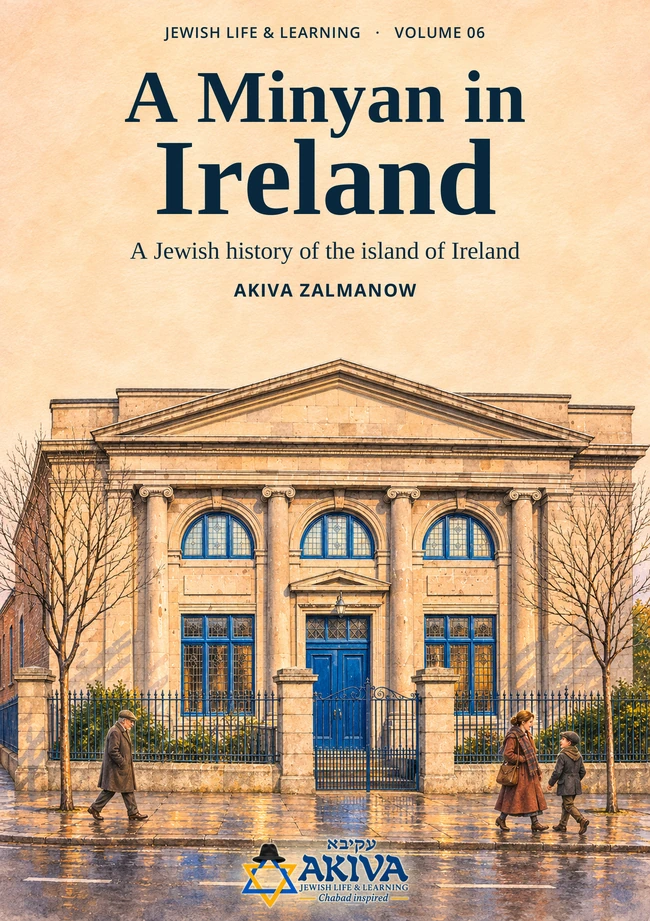
In Dublin’s Portobello district, two adjoining houses once held a synagogue upstairs. A museum now occupies the building. The change of use has left something unusual intact. A visitor can see the room in which people gathered and, downstairs, learn how their neighbours earned a living, brought up children and organised the ordinary business of a community. Walworth Road gives this book a starting point small enough to picture.
A case in a Dublin museum can hold an object from Belfast or Derry. A government census cannot do the same thing without a change of borders and dates. The chapters that follow take Ireland to mean the whole island. When a law, a wartime policy or a count of the population belongs to one jurisdiction, the text names it. The distinction mattered to a refugee child waiting for admission. It also matters when we ask today how many people called themselves Jewish.
A minyan is the quorum for certain communal prayers. But even a list of every town that once assembled ten worshippers would leave much of Irish Jewish life out. A Cork woman arranging an orchestral concert, a travelling trader on a weekly round and the people who made room for refugee children each changed what it was possible for somebody else to do. This history follows those smaller connections as well as institutions.